
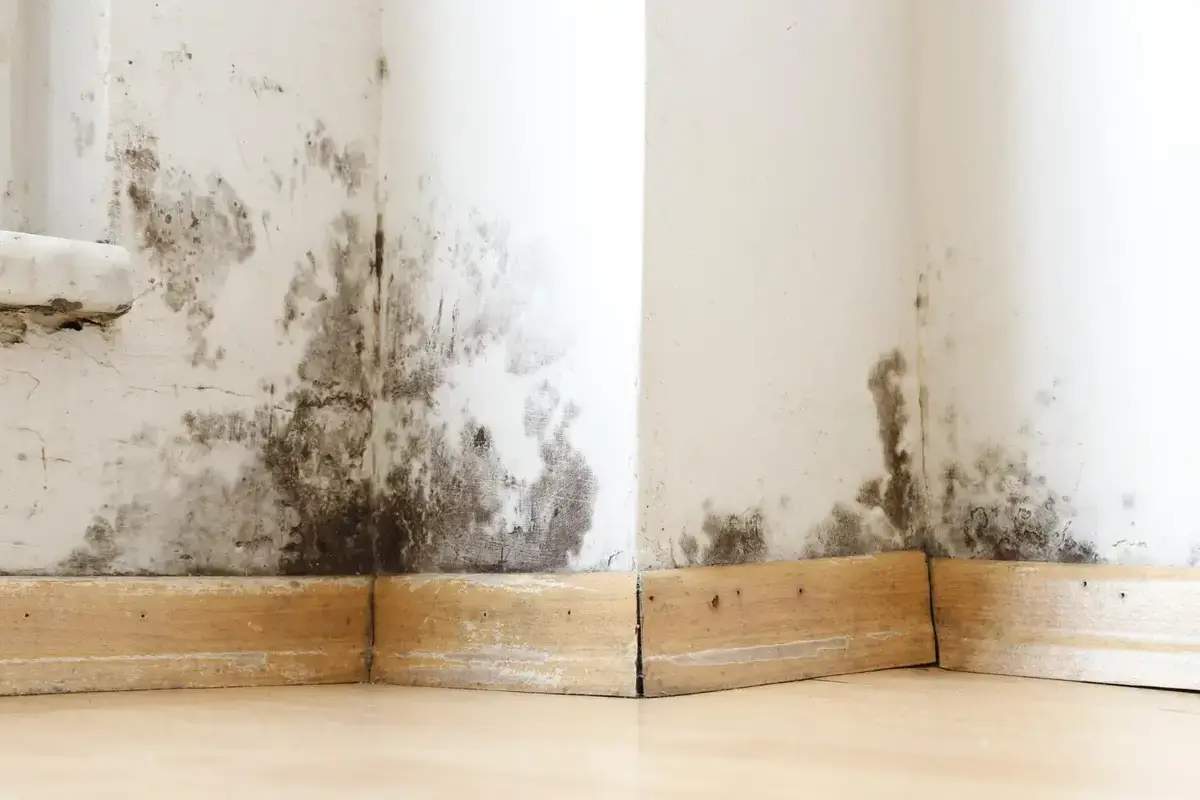
Mold is a persistent and often hidden problem in many homes, leading to health issues and structural damage if left unchecked. While homeowners strive to keep their living spaces safe, some common mistakes can undermine their efforts in detecting mold. Understanding these pitfalls can help ensure a thorough and effective mold inspection. Here are the top nine mistakes homeowners make when checking for mold.
Transparent Reporting for Confident Decisions
After inspection, a certified professional delivers a comprehensive report detailing contamination levels and remediation steps. By choosing mold testing Los Angeles, you receive clear, science-based results—no upselling, no confusion, just honest guidance.
1. Ignoring Hidden Areas
One of the most significant mistakes homeowners make is neglecting hidden areas where mold can thrive. Mold often grows in concealed spaces like behind walls, under carpets, or in attics and basements. Focusing only on visible surfaces can lead to missing substantial mold growth. Conducting a thorough inspection of potential problem areas, such as plumbing fixtures and HVAC systems, is crucial.
2. Relying on Visual Inspection Alone
While visible mold is a clear indicator of a problem, relying solely on visual inspections is insufficient. Mold can exist in hidden forms or be present in areas that are difficult to see. Homeowners should use tools like moisture meters to detect dampness within walls and other surfaces, as this can indicate potential mold growth even if the mold itself isn’t visible.
3. Skipping the Smell Test
A musty odor is often one of the first signs of mold presence. Homeowners frequently overlook this important cue, focusing instead on physical signs of mold. If you detect a persistent musty smell in your home, it’s essential to investigate further. Following the scent can lead you to hidden mold sources that may otherwise go unnoticed.
4. Not Considering Humidity Levels
High humidity levels create an ideal environment for mold growth. Homeowners often neglect to check humidity levels, especially in areas like basements, bathrooms, and kitchens. Keeping humidity below 60% can help prevent mold. Investing in a hygrometer to monitor humidity levels can be a valuable tool in mold prevention.
5. Failing to Investigate Water Damage
Any history of water damage should prompt a thorough mold inspection. Homeowners often assume that if an area has dried out, mold is no longer a concern. However, mold can grow quickly after water exposure, sometimes within 24 to 48 hours. Inspecting areas that have experienced leaks, flooding, or condensation is essential to ensure mold hasn’t taken hold.
6. Rushing the Inspection Process
Mold inspections require time and careful attention to detail. Homeowners often rush through the process, missing critical areas or signs of mold growth. Taking a systematic approach to inspect each room, including closets and storage areas, can help ensure nothing is overlooked. Patience is key when checking for mold.
7. Ignoring Past Mold Issues
If you’ve had previous mold problems, it’s essential to remain vigilant. Homeowners sometimes assume that once mold has been removed, it won’t return. However, if the underlying causes, such as moisture problems, are not addressed, mold is likely to reappear. Regular inspections are necessary to ensure that previous issues do not resurface.
8. Underestimating the Importance of Ventilation
Poor ventilation in a home can contribute to mold growth, especially in high-moisture areas. Homeowners often underestimate the importance of proper airflow and ventilation. Ensuring that bathrooms, kitchens, and laundry rooms are well-ventilated can help reduce humidity levels and prevent mold. Regularly checking and maintaining exhaust fans can make a significant difference.
9. Neglecting Professional Help
Many homeowners believe they can handle mold inspections independently, which can lead to missed problems. While DIY inspections can be beneficial, professional mold testing offers a more comprehensive evaluation. Mold specialists have the tools and expertise to identify mold types and assess the extent of the problem accurately. If you suspect mold, consider seeking professional help to ensure a thorough inspection and appropriate remediation steps.
Conclusion
Detecting mold in your home is crucial for maintaining a healthy living environment. By avoiding these common mistakes, homeowners can improve their chances of identifying mold issues early on. A proactive approach, including thorough inspections and seeking professional assistance when needed, can protect your home and family from the dangers of mold. Stay vigilant and informed to ensure your living space remains safe and mold-free.