Wood pest problems like woodworms are common in homes, furniture, and wooden structures. To deal with these problems, different methods are used. The most common are traditional pest control methods and modern systems like Shashel.
Traditional methods use chemicals, sprays, or fumigation. Shashel uses microwave technology to kill pests inside the wood. Both aim to solve the same problem, but their working style and results are very different.
In this article, we will compare Shashel and traditional pest control methods in simple and clear language.
Understanding Traditional Pest Control Methods
Traditional pest control methods have been used for many years. These methods include:
- Chemical spraying on wood surfaces
- Liquid injection into drilled holes
- Gas fumigation in closed spaces
- Surface coating treatments
These methods try to kill insects or stop their growth using chemical substances.
While they can reduce pest activity, they often do not completely solve deep wood infestations.
Problems with Traditional Pest Control
Traditional methods come with several limitations.
One major problem is shallow penetration. Chemicals mostly stay on the surface and do not fully reach insects inside deep wood layers.
Other issues include:
- Incomplete elimination of hidden pests
- Strong chemical smell in indoor spaces
- Possible health risks for humans and pets
- Environmental pollution from chemicals
- Need for repeated treatments
Because of these issues, results are often temporary.
Introduction to Shashel Technology
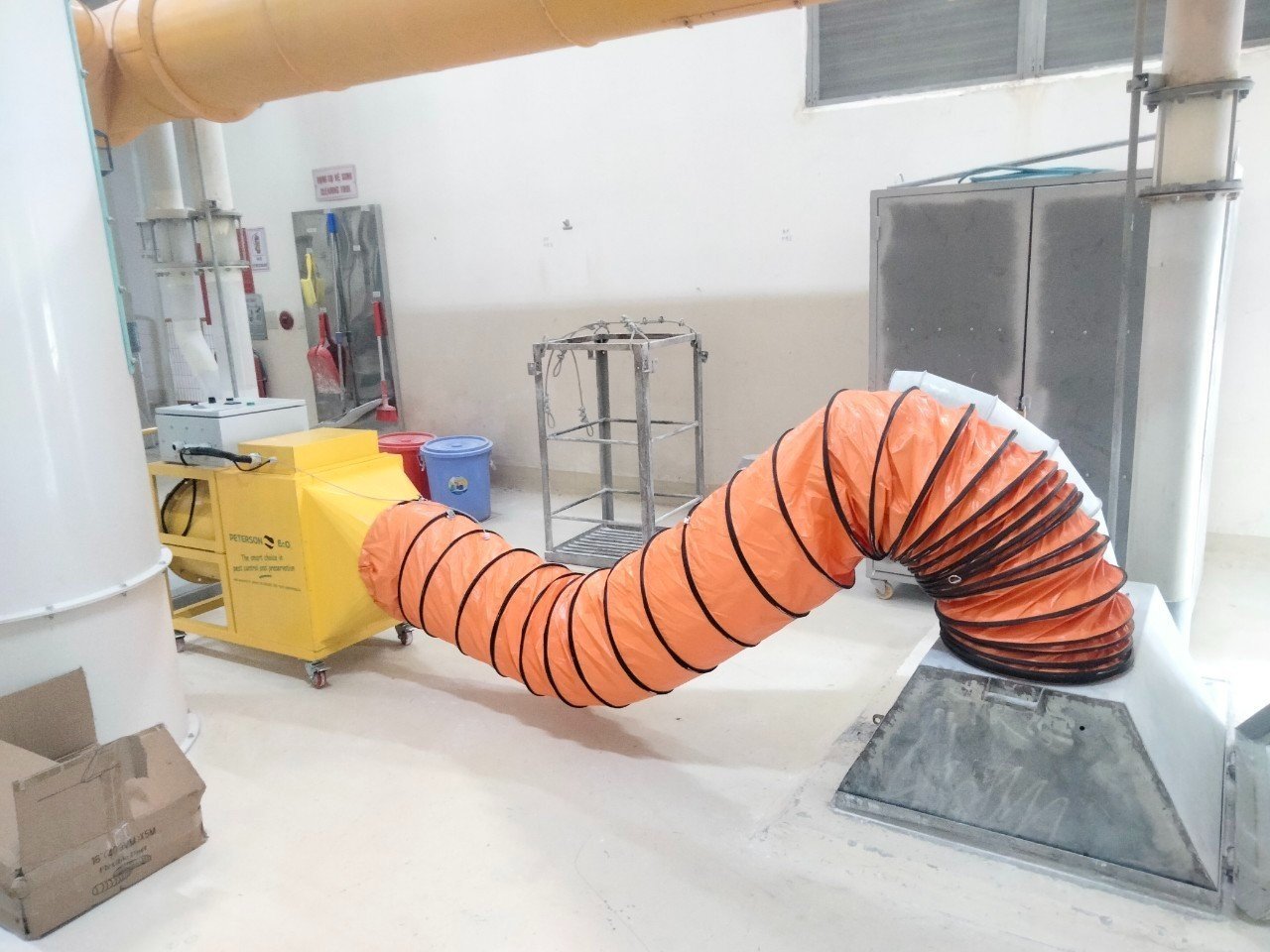
Shashel is a modern wood treatment system that uses microwave energy instead of chemicals.
It works by sending controlled energy into the wood. This energy creates heat inside the material, which kills insects, larvae, and eggs.
The main idea is simple: treat wood from inside, where pests actually live.
How Shashel Works
The process of Shashel is easy to understand.
First, the infected wood area is identified.
Second, the Shashel device is applied near the surface.
Third, microwave energy penetrates deep into the wood.
Fourth, internal heat is created.
Fifth, pests are destroyed completely at all stages.
Finally, the wood remains safe and intact.
This internal heating method makes Shashel more precise and effective.
Key Difference: Surface vs Deep Treatment
The biggest difference between Shashel and traditional pest control is where the treatment works.
Traditional methods:
- Work mainly on the surface
- Depend on chemicals spreading inside wood
- May miss hidden pests
Shashel:
- Works inside the wood directly
- Targets pests at their source
- Ensures deeper and more complete treatment
This difference is very important for long-term results.
Effectiveness Against Hidden Insects
Wood pests often live deep inside beams and furniture.
Traditional methods struggle to reach them fully.
Shashel uses microwave energy that reaches deeper layers, ensuring hidden insects are also affected.
This leads to more complete pest elimination.
Speed of Treatment
Traditional pest control methods often take time. Chemicals need time to spread and may require multiple applications.
Shashel works faster because heat is generated immediately inside the wood.
This quick action helps stop damage sooner.
Safety Differences
Safety is a major concern in pest control.
Traditional methods may involve toxic chemicals that can affect:
- Indoor air quality
- Human health
- Pets and children
Shashel does not use chemicals. It uses controlled energy, making it safer for indoor environments when properly applied.
Environmental Impact
Traditional pest control methods can harm the environment due to chemical use. These chemicals may pollute air, soil, and water.
Shashel is more eco-friendly because it does not release harmful substances. It relies on energy-based treatment instead of toxic materials.
Impact on Wood Structure
Some traditional methods require drilling holes or injecting liquids into wood. This can sometimes affect appearance or structure.
Shashel does not require drilling or physical damage. It treats wood internally without changing its surface.
This makes it suitable for:
- Furniture
- Antique items
- Decorative wood
Long-Term Protection
Traditional methods may not kill eggs or deeply hidden insects, which can lead to reinfestation.
Shashel kills all life stages of pests, including eggs, larvae, and adults. This reduces the chance of pests returning.
This gives stronger long-term protection.
Ease of Use
Traditional methods often require multiple steps like preparation, spraying, and cleanup.
Shashel is simpler because it involves direct application of microwave energy without complex procedures.
This makes it easier for professionals to use efficiently.
Cost and Value Comparison
Traditional methods may look cheaper initially, but repeated applications increase long-term cost.
Shashel may provide better value because:
- Fewer repeat treatments are needed
- Less damage repair is required
- Longer-lasting protection is achieved
This makes it more cost-effective over time.
Practical Use Cases
Traditional pest control is often used for general surface treatment or fumigation of large areas.
Shashel is better suited for:
- Targeted wood treatment
- Furniture protection
- Building restoration
- Sensitive wooden structures
This makes it more flexible for modern needs.for more details check out Shashel
Final Thoughts on Shashel vs Traditional Pest Control Methods
Shashel and traditional pest control methods both aim to solve wood pest problems, but they work in very different ways.
Traditional methods rely on chemicals and surface treatment, while Shashel uses microwave energy to treat wood from inside.
Shashel provides deeper penetration, faster results, better safety, and longer-lasting protection. Because of these advantages, it is becoming a more modern and effective alternative to traditional pest control methods.